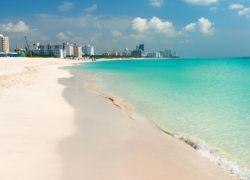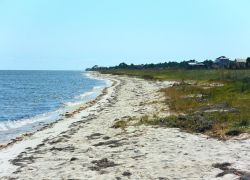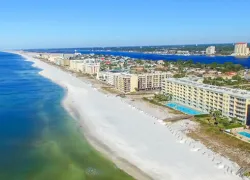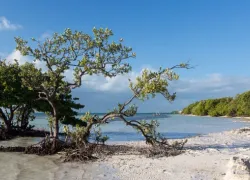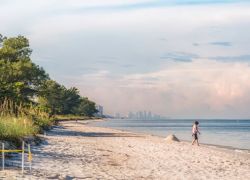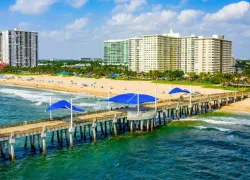
"Discover pristine shores and stunning sunsets."
Alligator Point Beach in California is a quiet, lesser-known coastal destination that appeals to nature lovers and those looking for peace away from the crowded tourist areas. While it shares a name with a more famous beach in Florida, Alligator Point Beach in California is believed to be located in one of the northern stretches of the state’s rugged coastline, likely in Mendocino or Humboldt County. Its charm lies in its untouched natural beauty, scenic ocean views, and tranquil environment, making it a hidden gem for those seeking solitude and a more authentic coastal experience.
How to Reach Alligator Point Beach, California
Since Alligator Point Beach is remote and not heavily commercialized, the best way to reach it is by car. Here's how you can get there:
Weather at Alligator Point Beach, California
Alligator Point Beach experiences mild and coastal weather year-round. The climate is strongly influenced by the Pacific Ocean, leading to cool summers, mild winters, and frequent fog. Here's a breakdown of what you can expect:
Best Time to Visit Alligator Point Beach
The ideal time to visit is from late spring to early fall (May to October). These months offer the best balance of good weather and accessibility. While the beach is open year-round, planning your visit during clear weather is advisable, especially if you want to explore tide pools or hike nearby trails safely.
Sunrise and sunset are particularly stunning here. The quiet mornings and glowing twilight make for excellent photography or meditative walks along the shore.
Why Is Alligator Point Beach Famous in California?
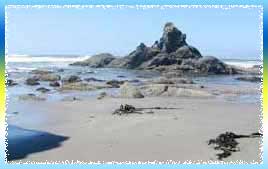
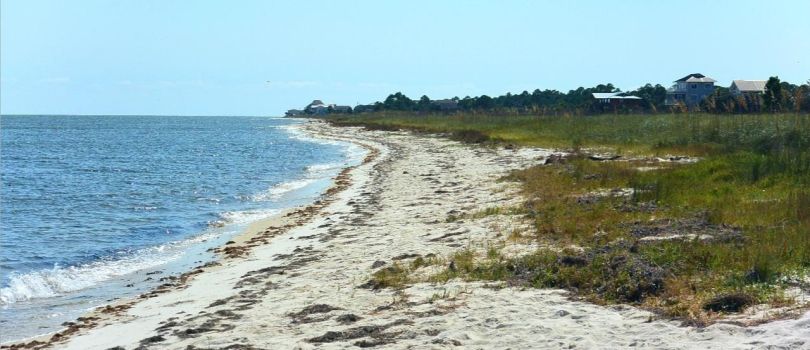
Alligator Point Beach is known for its raw natural scenery and seclusion. It is not a mainstream tourist destination, and that's precisely what makes it special. Travelers who want to avoid the crowds of Santa Monica or Malibu come here to enjoy a more peaceful, rustic beach setting. The beach is named for the jagged shape of the shoreline, which some say resembles the back of an alligator when seen from above.
Its fame among niche travelers, nature photographers, and campers continues to grow as people seek out untouched and minimally developed destinations in California.
Entry and Visit Details for Alligator Point Beach, California
There is no formal entrance or ticketing system at Alligator Point Beach, making it freely accessible to the public. However, there are a few important details to keep in mind:
History and Natural Features of Alligator Point Beach
Although there is limited recorded history about Alligator Point Beach itself, the surrounding coastal region has a rich Native American and early settler history. Tribes such as the Pomo and Yurok lived along Northern California’s coastlines, using the beaches for fishing, shellfish gathering, and trade.
There are no major man-made structures or architectural elements at the beach, but the natural geography is stunning. The rocky shoreline, tidal pools, cliff formations, and scattered driftwood make for a dramatic natural "architecture" that rivals any built environment.
Things to Do at Alligator Point Beach
Even though it’s secluded, there’s plenty to do at Alligator Point Beach if you enjoy the outdoors:
Facts and Tips about Alligator Point Beach, California
Alligator Point Beach, California, may not appear in mainstream travel guides, but it’s a rare find for those who love the raw beauty of nature. Its peaceful atmosphere, scenic charm, and lack of commercialization make it a truly special spot on California’s Pacific coast.












Florida (Fl)
Florida (Fl)
Florida (Fl)
Florida (Fl)
Florida (Fl)
Florida (Fl)
Florida (Fl)
Florida (Fl)
Florida (Fl)
Florida (Fl)